Showing posts with label PCPerformance. Show all posts

What Is RAM and Why Is It Important?


What Is RAM and Why Is It Important?

RAM is a type of computer memory that temporarily stores data needed for active processes and applications. Unlike your storage drive (SSD or HDD), RAM is much faster but cannot retain data once the computer is turned off. It plays a crucial role in multitasking, gaming, and running complex software efficiently.

What Is RAM and Why Is It Important?

Effects of Doubling Your RAM

Here’s a breakdown of what you can expect when you double your RAM:

1. Improved Multitasking

With more RAM, your computer can handle multiple applications and browser tabs simultaneously without slowing down. This is especially beneficial for:

  • Office workers managing spreadsheets, emails, and video calls simultaneously.

  • Creative professionals using resource-intensive tools like Photoshop or Premiere Pro.

2. Smoother Gaming Experience

Modern games often require significant amounts of RAM to load textures and assets. Doubling your RAM can:

  • Reduce lag and stuttering.

  • Enable smoother gameplay at higher settings.

  • Improve loading times in open-world games.

3. Better Performance for Virtual Machines

If you use virtual machines for development or testing, additional RAM ensures each virtual environment runs smoothly without affecting the host system.

4. Faster Performance for Heavy Applications

Applications like video editing software, 3D modeling tools, and large database programs rely heavily on RAM. Doubling your RAM can:

  • Speed up rendering times.

  • Allow larger projects to run seamlessly.


Does Doubling RAM Always Improve Speed?

While doubling RAM offers noticeable benefits, the impact depends on your system’s existing configuration:

  • If You Have Insufficient RAM: If your system currently has 4GB or less, doubling RAM to 8GB or more will significantly improve performance.

  • If You Already Have Enough RAM: Upgrading from 16GB to 32GB may not provide noticeable benefits for regular users unless you run memory-intensive applications.

  • Other Bottlenecks: Factors like a slow processor, outdated GPU, or storage drive can limit performance gains from additional RAM.


How to Double Your RAM

If you decide to upgrade, follow these steps:

  1. Check Compatibility:

    • Identify your motherboard’s supported RAM type (DDR3, DDR4, DDR5).

    • Confirm the maximum RAM capacity.

  2. Purchase the Right RAM Modules:

    • Choose modules with matching specifications (e.g., frequency, voltage).

    • Stick to reputable brands like Corsair, Kingston, or Crucial.

  3. Install the RAM:

    • Power off your computer and unplug it.

    • Open the case and locate the RAM slots.

    • Insert the new RAM modules firmly until they click into place.

  4. Test Your System:

    • Boot up your computer and verify the new RAM is recognized in your system settings.


Conclusion

Doubling your RAM can bring significant performance improvements, especially for multitasking, gaming, and professional workloads. However, the benefits depend on your current setup and specific needs. Before upgrading, assess whether additional RAM is the right investment for your system.

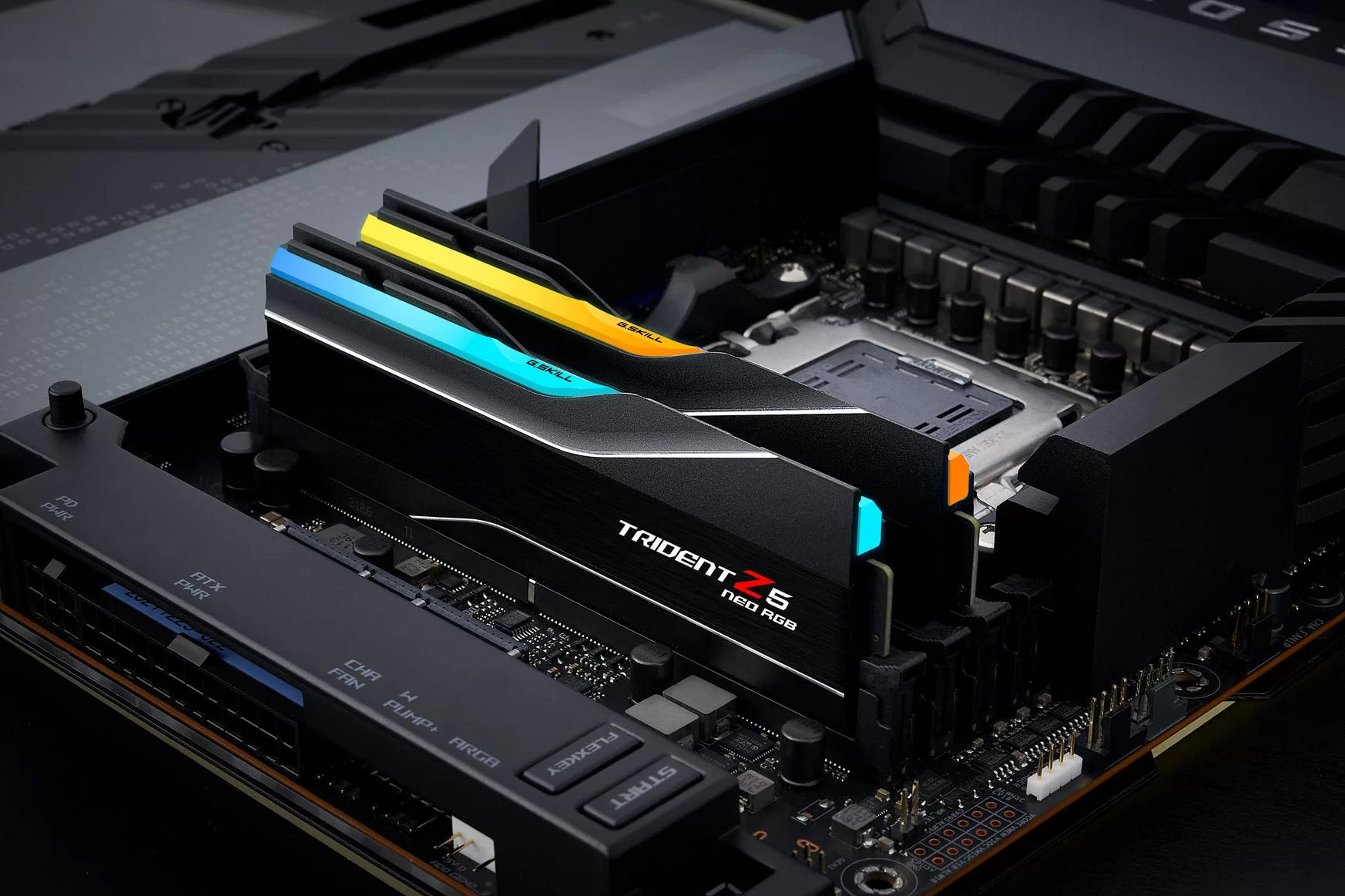
When Did DDR6 RAM Come Out?

 When Did DDR6 RAM Come Out?

As technology evolves, so does the demand for faster and more efficient computer components. Among these, RAM (Random Access Memory) is critical for ensuring smooth multitasking and high-speed computing. DDR6 RAM has been a topic of speculation and interest among tech enthusiasts. But when did DDR6 RAM come out, and how does it differ from its predecessors? Let’s dive into the details.

 When Did DDR6 RAM Come Out?

Understanding DDR RAM Evolution

DDR RAM (Double Data Rate RAM) has gone through several iterations, each offering significant performance improvements over the previous generation. Here’s a quick timeline:

  • DDR3: Released in 2007, widely adopted for general computing.

  • DDR4: Emerged in 2014, offering higher speeds and efficiency.

  • DDR5: Officially launched in 2020, bringing significant performance and power efficiency improvements.

DDR6 RAM, however, remains a future prospect. As of now, DDR6 has not been officially released, but industry reports suggest that it is under development and could hit the market by the mid-to-late 2020s.


What to Expect from DDR6 RAM

Although DDR6 RAM has not been released, some key features and expectations have been hinted at by technology companies and research institutions:

  • Higher Bandwidth: DDR6 is expected to double the bandwidth of DDR5, making it suitable for advanced applications like AI, gaming, and big data processing.

  • Lower Latency: Improved response times for faster data processing.

  • Power Efficiency: Optimized for reduced power consumption, aligning with the trends of energy-efficient computing.

  • Compatibility: Likely to be compatible with emerging motherboard technologies, though older systems may not support it.


Why DDR6 Matters

The advancement to DDR6 RAM signifies a leap in technology catering to high-performance computing needs. Here’s why it matters:

  1. Gaming: Modern games demand high-speed RAM to handle graphics and processing.

  2. Artificial Intelligence: AI applications rely on massive data computations, which DDR6 can support efficiently.

  3. Professional Workloads: Designers, video editors, and engineers will benefit from the increased bandwidth and lower latency.


Preparing for DDR6

While waiting for DDR6 RAM, here’s how you can prepare:

  1. Upgrade to DDR5: If you’re using older RAM, consider upgrading to DDR5 to experience significant improvements now.

  2. Monitor Motherboard Compatibility: Keep an eye on updates about motherboards designed to support DDR6.

  3. Stay Informed: Follow announcements from major tech companies like Samsung, SK Hynix, and Micron, which are leading DDR6 development.


Conclusion

Although DDR6 RAM hasn’t officially launched, it promises to revolutionize computing with unprecedented speed and efficiency. Its release will cater to the needs of next-gen technologies, from gaming to artificial intelligence. Staying updated and prepared will ensure you’re ready to embrace this advancement when it arrives.

What Is RAM and Why Is It Important?

What Is RAM and Why Is It Important? RAM is a type of computer memory that temporarily stores data needed for active processes and applicati...